Creating a cozy and functional home workspace is essential for anyone working or studying from home. A well-designed area can boost your productivity, reduce stress, and make your workday more enjoyable. Whether you’re setting up a dedicated office or just carving out a corner, these simple tips will help you design a workspace that balances comfort and efficiency.
Choose the Right Location
Selecting the ideal spot for your workspace lays the foundation for a productive environment. Consider these factors:
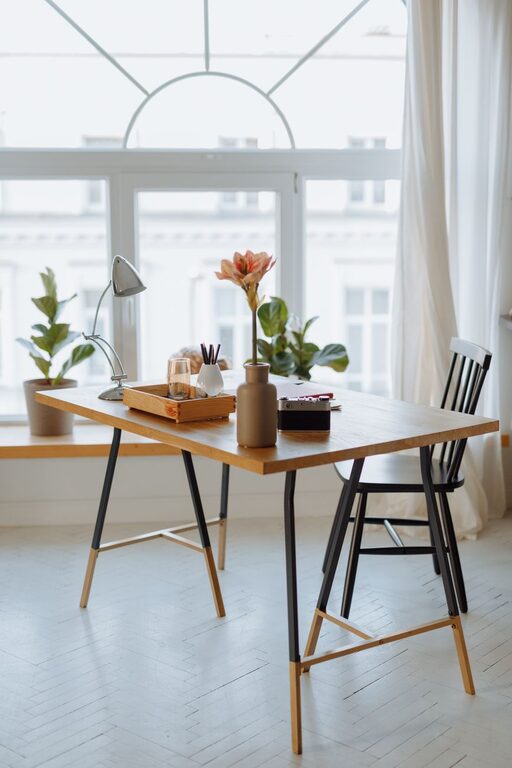
– Natural Light: Places near windows allow natural light, which can improve mood and focus.
– Quiet Area: Pick a spot with minimal noise to help maintain concentration.
– Space: Ensure there’s enough room for your desk, chair, and any equipment you need.
– Privacy: If possible, choose a location where you can have privacy, reducing distractions.
Invest in a Comfortable Chair and Desk
Your furniture plays a major role in comfort and functionality.
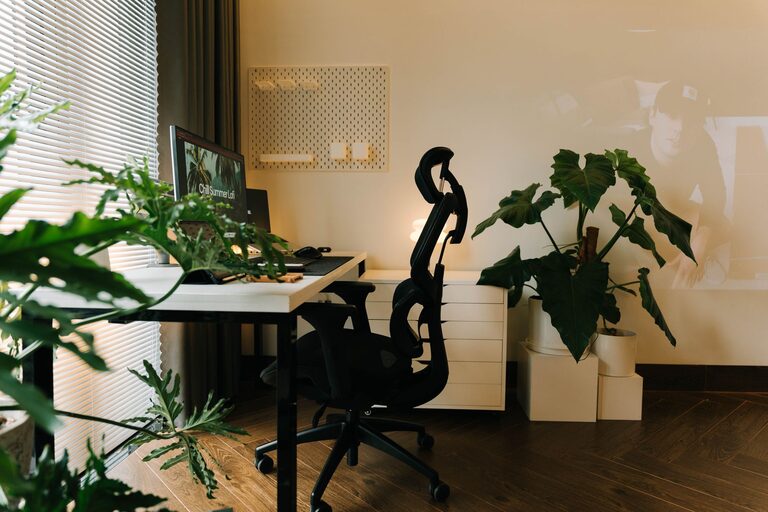
– Ergonomic Chair: Look for one that supports your back and allows you to sit comfortably for long periods.
– Appropriate Desk Height: A desk that suits your height reduces strain on your wrists and shoulders.
– Adjustable Options: Consider adjustable chairs and desks to customize your setup over time.
Organize with Purpose
An organized workspace helps clear your mind and keeps you focused. Try these organization tips:
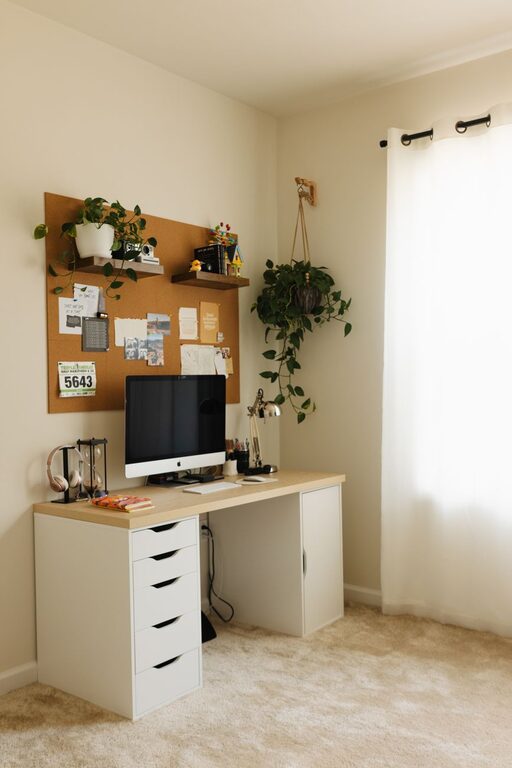
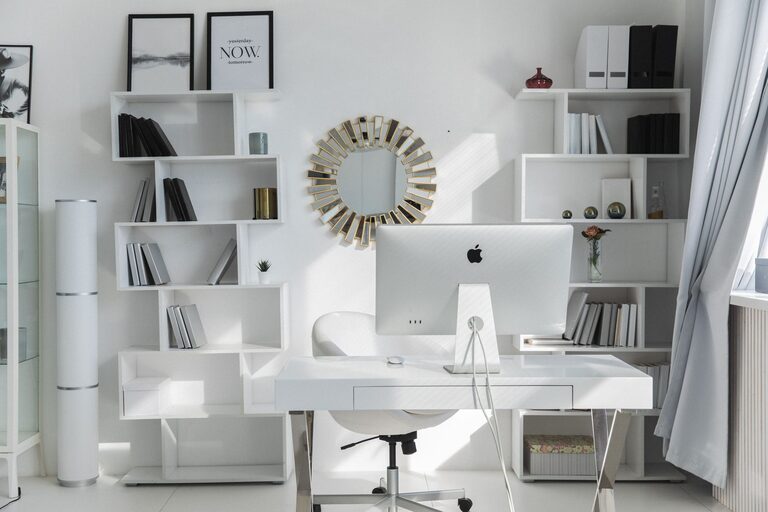
– Use Storage Solutions: Drawers, shelves, and organizers keep supplies neat and accessible.
– Declutter Regularly: Remove unnecessary items to maintain a tidy space.
– Cable Management: Use clips or sleeves to keep cords organized and out of sight.
– Designate Zones: Separate areas for work tasks, planning, and breaks to streamline your day.
Personalize Your Workspace
Adding personal touches can make your workspace more inviting and motivating.
– Decor: Include artwork, plants, or photos that inspire you.
– Colors: Choose calming or energizing colors depending on your preference.
– Lighting: Besides natural light, add warm desk lamps or LED lights for cozy ambiance.
– Comfort Items: Include cushions, a soft rug, or even a small blanket for added coziness.
Optimize Technology Setup
Technology should enhance, not hinder, your workflow.
– Reliable Equipment: Invest in a good quality computer, keyboard, and mouse.
– Monitor Placement: Keep your monitor at eye level to avoid neck strain.
– Fast Internet Connection: Ensure your Wi-Fi is strong and stable.
– Backup Solutions: Use cloud storage or external hard drives to protect your work.
Take Breaks and Move Around
Even the most functional workspace can’t replace the benefits of regular breaks.
– Ergonomic Reminders: Set reminders to stretch or change posture.
– Break Zone: If possible, create a spot away from your desk for rest or light activity.
– Hydration and Snacks: Keep water and healthy snacks nearby to stay energized.
Keep It Flexible
Your needs may change over time, so keeping your workspace adaptable is a smart idea.
– Modular Furniture: Desks or shelves that can be reconfigured help adjust your setup.
– Multi-use Spaces: Consider furniture that serves more than one purpose.
– Seasonal Changes: Adjust lighting and decorations throughout the year to keep the space fresh.
Final Thoughts
Designing a cozy and functional home workspace doesn’t require a major renovation. By focusing on comfort, organization, and personalization, you can create an environment that supports your work and well-being. Start small, be mindful of your habits, and enjoy a space that makes working from home a positive experience.
About the Author