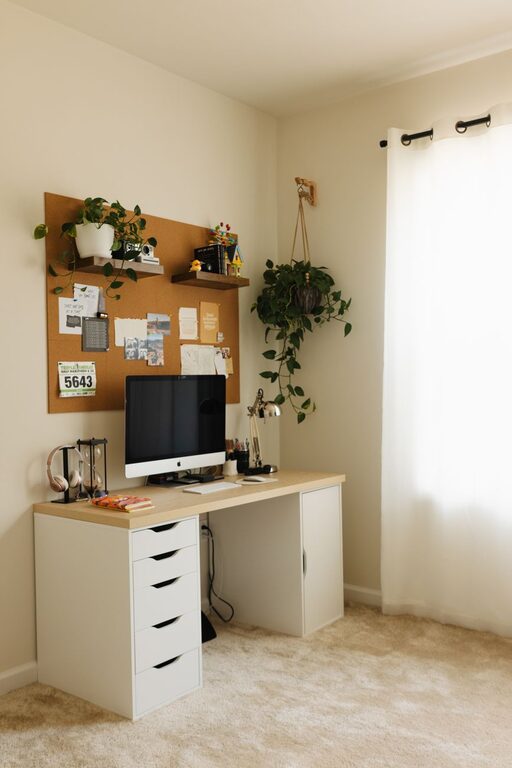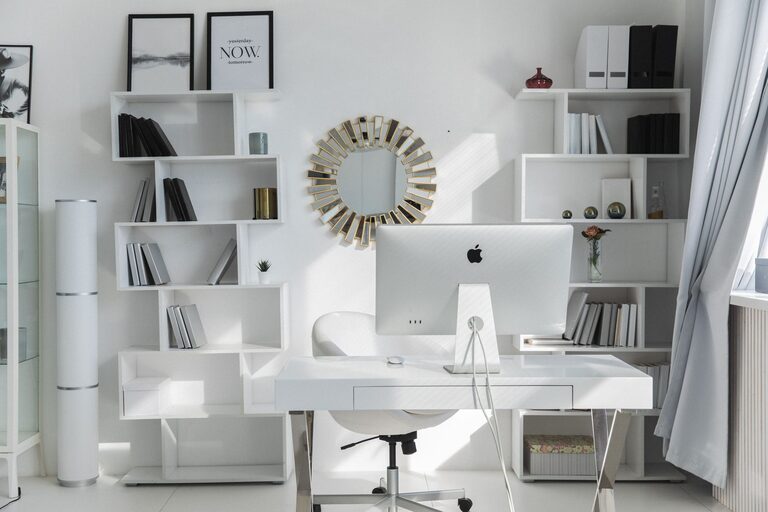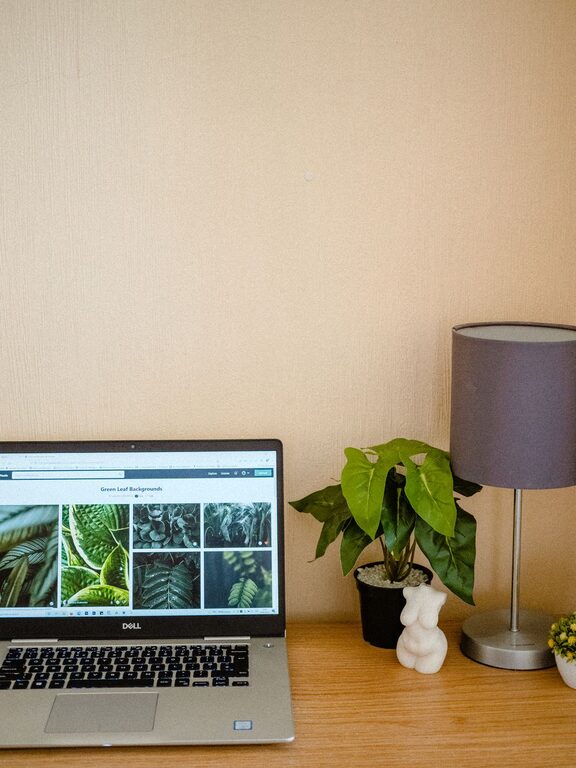
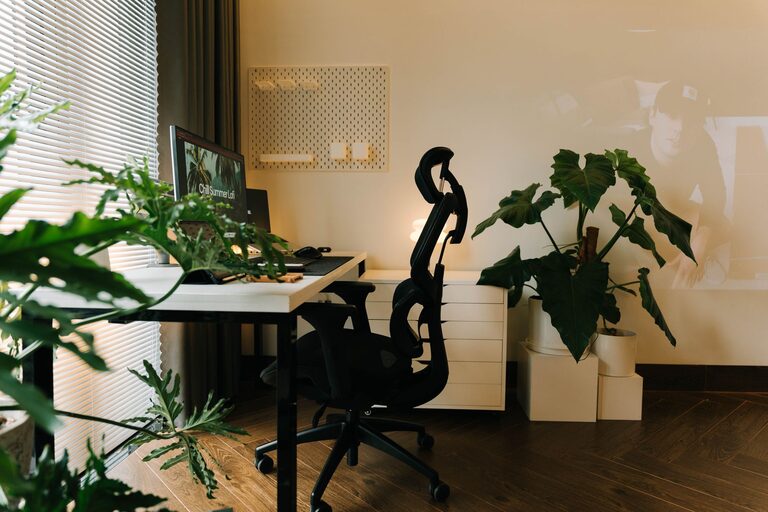
Creating a home office space that is both cozy and productive can greatly enhance your work-from-home experience. Whether you’re working full-time from home or occasionally catching up on tasks, a well-designed workspace helps you stay focused, reduces stress, and makes your workday more enjoyable. Below are practical tips and ideas to help you craft a home office that combines comfort and efficiency.
1. Choose the Right Location
Finding the perfect spot for your home office is the first step. Ideally, select a quiet area away from high-traffic zones to minimize distractions. If possible, dedicate a separate room or a distinct corner that you can associate exclusively with work. This separation helps your brain switch into “work mode” more easily.
Consider Natural Light
Natural light has been shown to improve mood and productivity. Choose a space near a window if possible to take advantage of daylight. If natural light is limited, consider full-spectrum lighting that mimics daylight to keep your space bright and energizing.
2. Invest in Comfortable, Ergonomic Furniture
Your office furniture plays a key role in both comfort and productivity. Here’s what to keep in mind:
– Ergonomic Chair: Select a chair that supports your back and promotes good posture. Adjustable height, lumbar support, and comfortable cushioning are essential features.
– Desk: Choose a desk that fits your space and suits your workflow. Consider height-adjustable desks if you want the flexibility to sit or stand throughout the day.
– Accessories: Footrests, monitor stands, and keyboard trays can help you maintain healthy ergonomics and reduce strain.
3. Organize for Efficiency
A cluttered workspace can increase stress and reduce focus. Organize your home office to keep everything you need within easy reach:
– Storage Solutions: Use shelves, filing cabinets, or storage bins to keep papers, supplies, and equipment neatly stored.
– Desk Organization: Keep only essentials on your desk, such as your computer, notebook, and a pen holder. Use cable organizers to manage cords.
– Digital Organization: Maintain a clean desktop on your computer and organize files into folders for quick access.
4. Personalize Your Space
Adding personal touches creates a cozy environment that inspires creativity and comfort:
– Colors: Choose calming or motivating colors that suit your personality. Blues and greens can be soothing, while warm tones like yellow or orange may boost energy.
– Decor: Display artwork, plants, or meaningful objects that make the space feel welcoming.
– Textiles: Soft rugs, cushions, and throws add warmth and comfort, making the office feel less sterile.
5. Manage Noise and Distractions
Noise disruption can significantly affect your concentration. Consider these options to create a quieter workspace:
– Noise-Cancelling Headphones: Useful for blocking out background noise, especially in shared or busy homes.
– Soft Furnishings: Curtains, rugs, and cushions absorb sound and reduce echoes.
– Background Sounds: Soft music or white noise machines can help drown out distractions in some settings.
6. Set Up Technology Correctly
Reliable and efficient technology is vital for productivity:
– Internet Connection: A strong, stable internet connection reduces frustration during video calls and uploads.
– Equipment: Use a quality webcam, microphone, and headphones for clear communication.
– Lighting: Good lighting for video calls helps you look professional and reduces eye strain.
7. Incorporate Break and Wellness Areas
Even in a small home office, create space or habits that encourage breaks to refresh your mind:
– Dedicated Break Spot: A cozy chair or a corner with a small table can be inviting for short breaks or mindful moments.
– Standing Up and Stretching: Incorporate stretches or light exercises throughout the day to stay energized.
– Hydration and Snacks: Keep a water bottle and healthy snacks nearby to keep your energy steady.
8. Establish Boundaries and Routines
A cozy, productive home office is not just about the physical setup but also how you use the space:
– Set Working Hours: Define clear start and stop times to maintain work-life balance.
– Create a Routine: Begin your day with a ritual, such as a cup of coffee or reviewing your to-do list, to get into the right mindset.
– Communicate Boundaries: Inform family or housemates about your office hours to reduce interruptions.
—
Creating a home office space that is both cozy and productive is an investment in your well-being and efficiency. With the right location, ergonomic furniture, thoughtful organization, and personal touches, you can enjoy a workspace that supports both comfort and focus. Start with small changes and adjust as you discover what works best for your unique needs. Happy working!
About the Author