Setting up a home office that feels cozy yet remains highly functional can make all the difference in your daily productivity and overall wellbeing. Whether you’re a remote worker, freelancer, or simply need a spot for managing personal tasks, a well-designed workspace invites focus and creativity while providing comfort.
In this post, we’ll explore practical tips to help you create a home office environment that balances warmth and efficiency.
1. Choose the Right Location
Picking the perfect spot in your home is the first step. Look for a space with natural light, minimal distractions, and enough room for your desk and equipment.
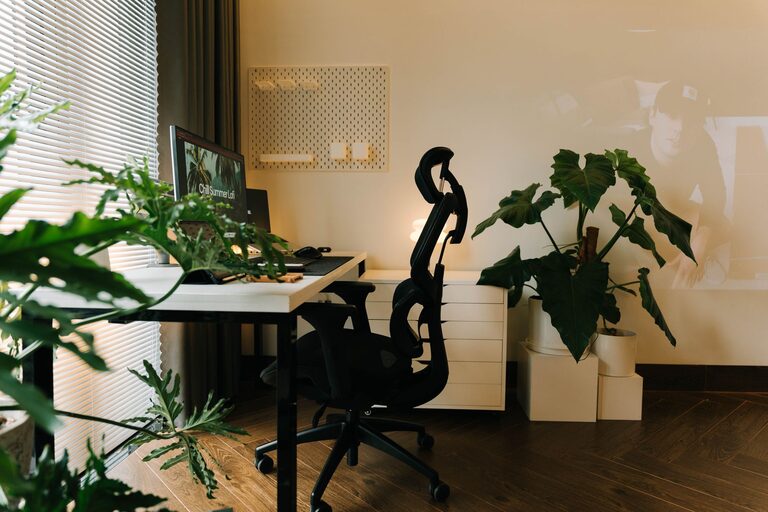
– Natural Light: Bright, natural light boosts mood and alertness. Position your desk near a window when possible.
– Quiet Environment: Select a location away from noisy areas like the kitchen or living room.
– Dedicated Space: Having a distinct area for work helps separate professional tasks from personal life.
2. Invest in Ergonomic Furniture
Comfort is key for long hours spent at your desk. Ergonomic furniture supports good posture and prevents discomfort.
– Adjustable Chair: Choose a chair that supports your lower back and allows your feet to rest flat on the floor.
– Desk Height: Ensure your desk is at a height where your forearms rest comfortably parallel to the floor.
– Footrests and Wrist Pads: These accessories can add extra support as needed.
3. Optimize Lighting
Proper lighting reduces eye strain and keeps your workspace inviting.
– Layered Lighting: Combine overhead lights with task lamps for flexibility.
– Warm vs. Cool Light: Use warm light bulbs for a cozy feel, or cooler ones for focus, depending on your preference.
– Reduce Glare: Position screens away from direct sunlight or use blinds to control brightness.
4. Organize Smartly
Clutter can easily build up in a home office. Implement organization systems that make your workspace tidy and efficient.
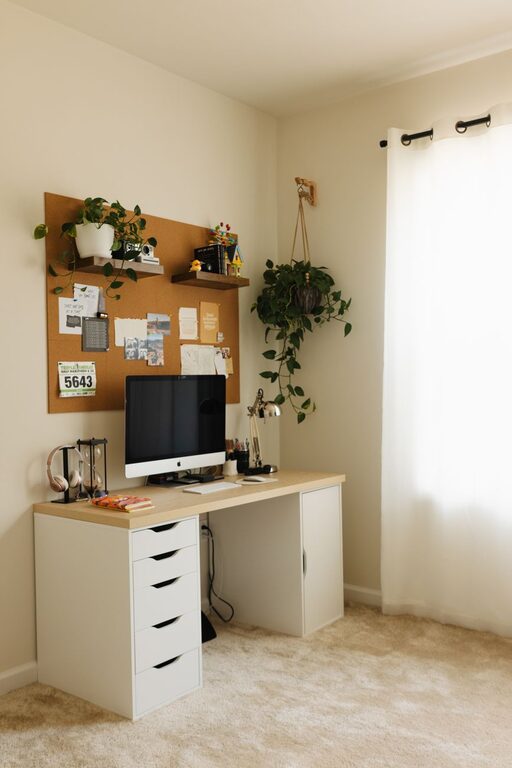
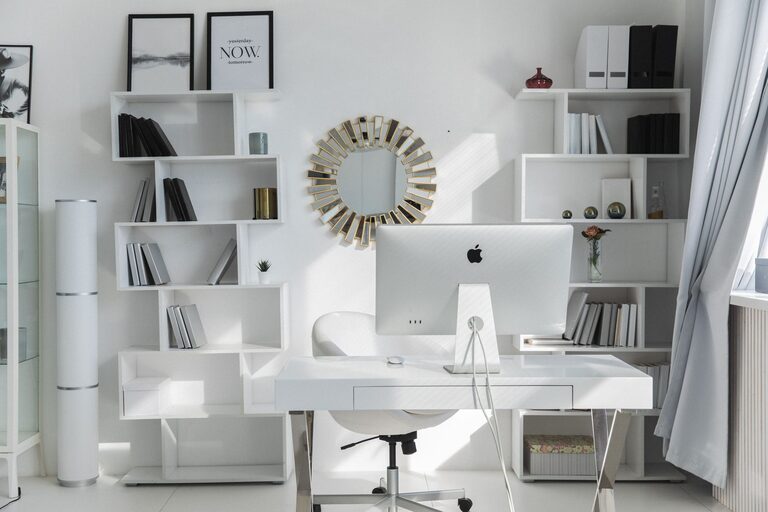
– Storage Solutions: Use shelves, drawers, or filing cabinets to keep documents and supplies organized.
– Desk Organizers: Trays, pen holders, and cable management tools help keep frequently used items within reach without mess.
– Digitize Documents: Reducing paper clutter saves space and simplifies filing.
5. Personalize Your Space
Adding personal touches can make your office feel welcoming and inspiring.
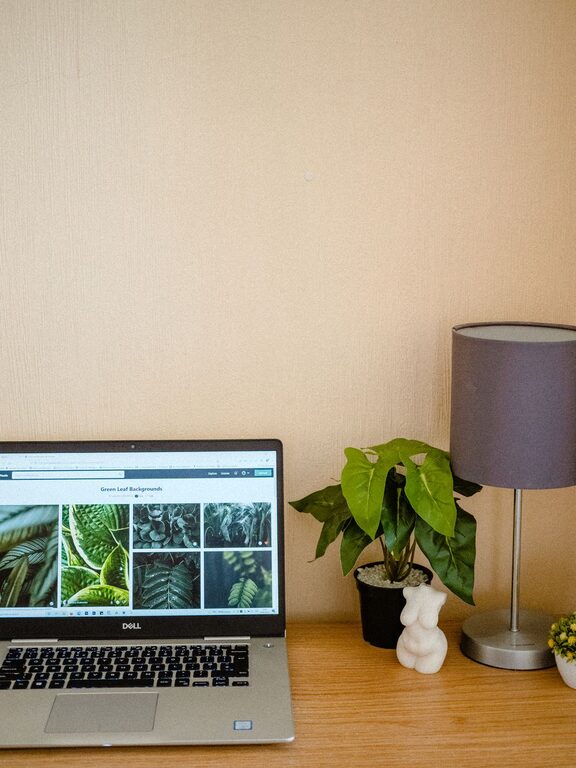
– Decor: Incorporate artwork, photos, or plants to bring life into your workspace.
– Color Scheme: Choose calming colors like blues or greens, or energizing tones such as yellows, to suit your mood.
– Comfort Items: A cozy throw or a small cushion can enhance comfort during work sessions.
6. Incorporate Technology Thoughtfully
Technology should support your workflow without overwhelming your space.
– High-Speed Internet: Reliable connectivity is essential for video calls and online tasks.
– Charging Stations: Keep cords organized and devices charged with designated areas.
– Minimal Devices: Limit to essential gadgets to avoid distractions.
7. Maintain Cleanliness and Air Quality
A clean, fresh environment promotes focus and wellbeing.
– Regular Cleaning: Dust and wipe surfaces frequently.
– Air Circulation: Open windows or use air purifiers to maintain fresh air.
– Plants: Certain indoor plants also improve air quality and add natural beauty.
8. Set Boundaries and Routine
Finally, design your home office with boundaries to separate work from relaxation.
– Defined Workspace: Use room dividers or rugs to visually mark your office area.
– Clear Hours: Establish set working times and breaks to maintain balance.
– End-of-Day Ritual: Tidy your desk and shut down devices to signal the end of work.
—
Creating a cozy and functional home office is about blending comfort with practicality. By paying attention to lighting, furniture, organization, and personal touches, you can build a space that not only looks inviting but also helps you stay productive. Start small with a few changes, and adjust your setup as you discover what works best for you.
Happy decorating and productive working!
About the Author