Creating a home office that feels both cozy and productive can make a significant difference in how you work and enjoy your time at home. Whether you’re working remotely full-time or need a quiet spot for occasional tasks, an inviting workspace encourages focus and reduces stress. In this post, we’ll explore practical tips to help you design a home office that promotes comfort and efficiency.
Why a Cozy Home Office Matters
Spending hours at a desk in an uninspired space can lead to fatigue and decreased motivation. A cozy office means one where you feel comfortable and calm — important ingredients for productivity. When your workspace suits your needs and style preferences, you’re more likely to enjoy your workday and keep distractions at bay.
Choose the Right Location
Consider natural light
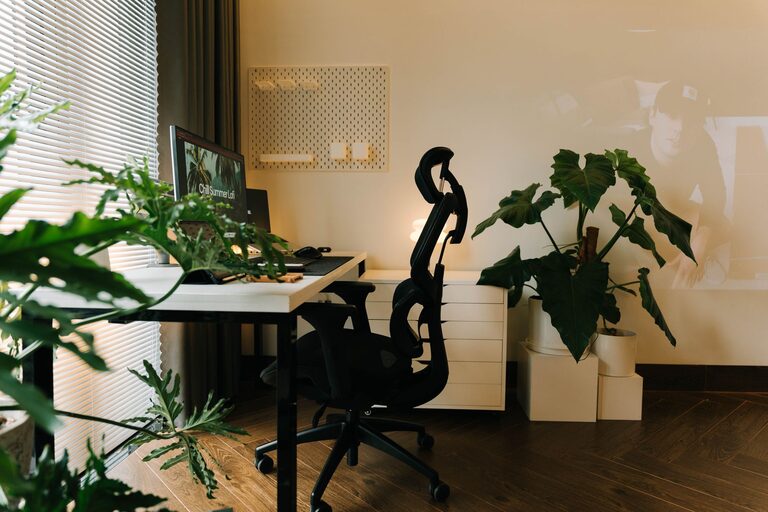
Placing your desk near a window allows for natural light, which can boost mood and energy. Aim to position your workspace so that the light doesn’t create glare on your computer screen. If natural light is limited, invest in bright, soft artificial lighting.
Minimize noise and distractions
Find a quiet area of your home where you can focus. If you share your living space, consider noise-canceling headphones or soundproofing options like rugs and heavy curtains to reduce disturbances.
Select Comfortable and Functional Furniture
Invest in a quality chair
Your chair should support good posture to prevent back pain. Look for ergonomic features such as adjustable height, lumbar support, and comfortable cushioning.
Opt for a desk with enough space
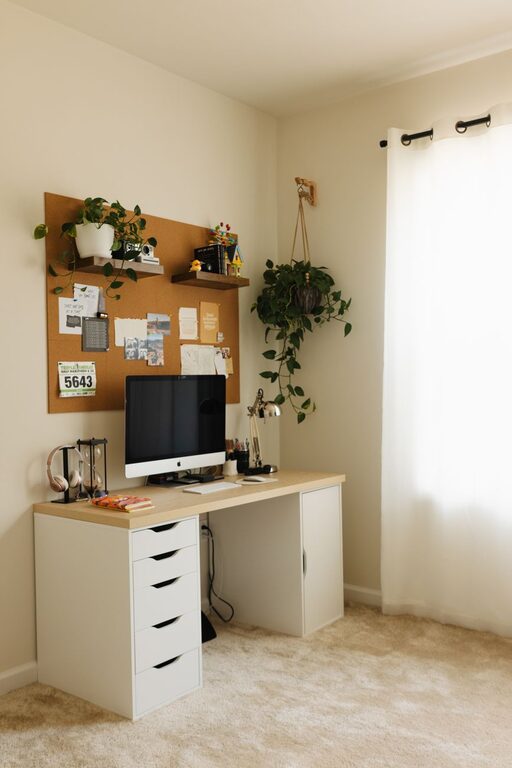
Choose a desk that fits your available space and provides room for your computer, notebooks, and other essentials. Standing desks or adjustable desks can offer more variety and comfort throughout the day.
Organize for Efficiency
Declutter your workspace
Keep only the necessary items on your desk to maintain focus. Use cable organizers to keep cords tidy and out of sight.
Use storage solutions
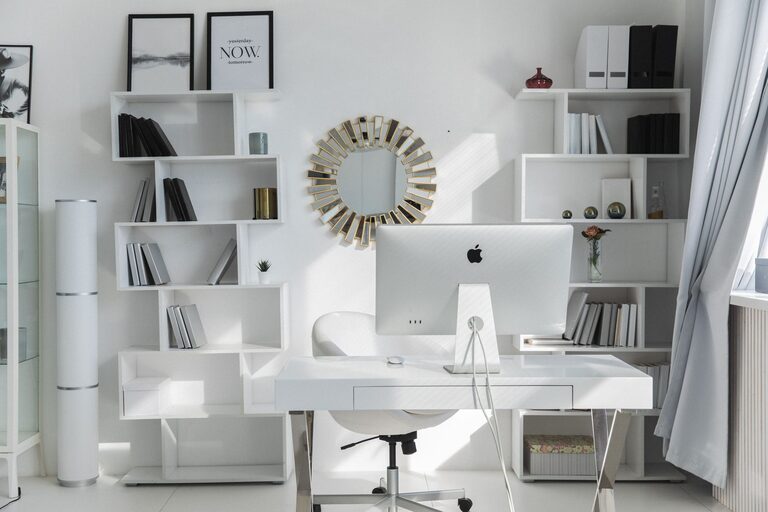
Shelves, drawers, and organizers help keep papers, office supplies, and personal items neatly stored. Label containers to find what you need quickly.
Set up zones
Designate areas for different tasks, such as a computer zone, writing area, and space for brainstorming or reference materials. This helps you stay organized and switch tasks smoothly.
Personalize Your Space
Add cozy elements
Incorporate soft blankets, cushions, or a comfortable rug to make the area inviting. These touches can make a hard workday feel a little easier.
Bring in greenery
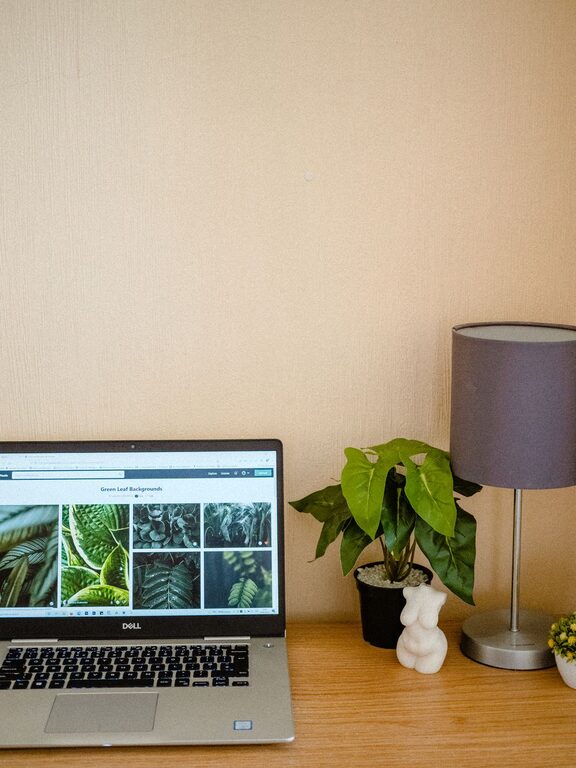
Plants boost air quality and add life to your workspace. Choose low-maintenance varieties like succulents or snake plants if you don’t have a green thumb.
Decorate thoughtfully
Choose artwork or photos that inspire and energize you without overwhelming the space. A comfortable and inspiring environment supports mental well-being.
Optimize Lighting and Screen Setup
Use layered lighting
Combine overhead, task, and ambient lighting for balanced illumination. A desk lamp with adjustable brightness can reduce eye strain.
Position screens properly
Place your monitor at eye level and about an arm’s length away to avoid neck and eye discomfort.
Create a Schedule and Routine
Define work hours
Set clear start and end times to help separate work from personal time, even if you’re working from home.
Take breaks and move
Schedule regular short breaks to stretch and move around. This helps maintain energy and focus.
Maintain Air Quality and Comfort
Keep your space ventilated
Open windows when possible or use an air purifier to keep fresh air circulating.
Control temperature
Adjust heating or cooling to maintain a comfortable temperature for working.
—
By thoughtfully designing your home office with these tips, you can create a space that’s both cozy and highly productive. Tailor your environment to your needs and preferences, and your work-from-home experience will feel more enjoyable and efficient. Remember, a well-planned workspace supports both your body and mind, making the workday easier and more pleasant.
About the Author