Creating a cozy and functional home office space is more important than ever with many people working remotely or spending more time on personal projects at home. A well-designed office can boost your productivity, improve your mood, and help separate work time from personal time—all within the comfort of your home. Whether you have a dedicated room or just a small corner, these tips will help you craft a workspace that feels inviting and supports your daily tasks.
Choose the Right Location
The first step is selecting the best spot for your home office. Look for a space with natural light, if possible, as sunlight helps keep you energized and focused throughout the day. Ideally, pick an area away from household noise and distractions. A spare room, a quiet corner of the living room, or even a nook near a window can work well.
If space is limited, consider flexible furniture like a fold-away desk or a wall-mounted workstation that you can tuck away when not in use.
Invest in a Comfortable Chair and Desk
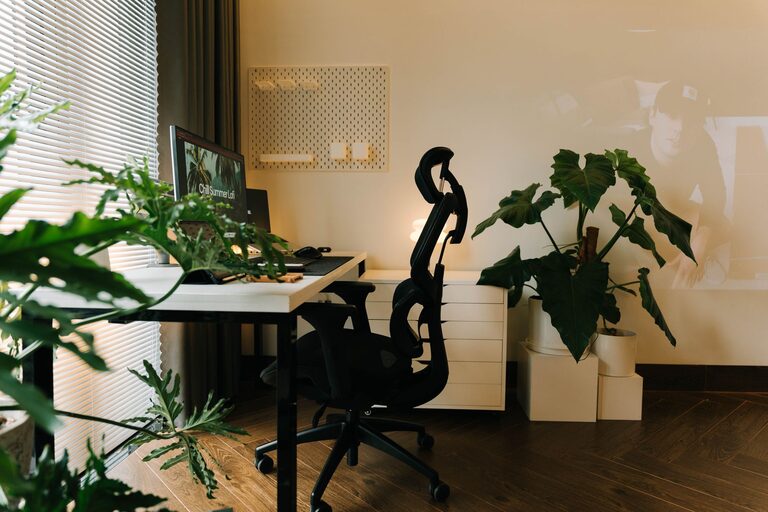
Comfort is key when you spend hours at your desk. Invest in an ergonomic chair that supports your posture and reduces strain on your back and neck. Adjustable chairs allow you to find the perfect height and seating angle, which can make a significant difference over time.
Your desk should be large enough to hold your essential equipment such as a computer, monitor, keyboard, and space for writing or planning. If you use multiple devices, consider a desk with cable management features to keep wires neat and organized.
Optimize Lighting
Good lighting reduces eye strain and helps maintain focus. Use a combination of natural light, overhead lighting, and task lighting. Position your desk near a window to take advantage of daylight but use blinds or curtains to reduce glare.
Add a desk lamp with adjustable brightness and color temperature to ensure you have enough light during evenings or cloudy days. Warm white light tends to create a cozy environment, while cooler tones may help you stay alert.
Organize with Storage Solutions
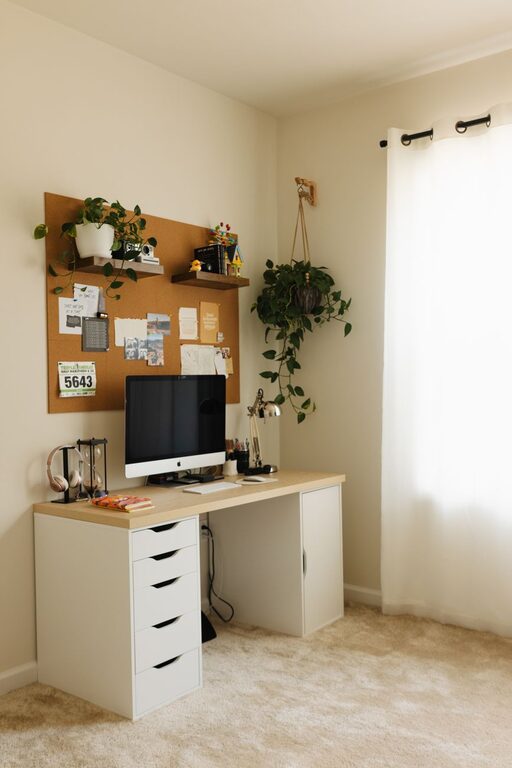
Clutter can negatively impact your ability to concentrate. Keep your office tidy by incorporating effective storage options. Shelves, filing cabinets, baskets, and drawer organizers can help store documents, supplies, and personal items neatly.
Label boxes or files so you can quickly find what you need. Using vertical storage can also maximize space, especially in smaller areas.
Personalize Your Space
Adding personal touches makes your home office more inviting and motivating. Consider including artwork, plants, or photos that bring you joy. Greenery, especially, can enhance air quality and create a calming atmosphere.
Choose colors and decor elements that inspire you—whether it’s a soft pastel palette, bold accents, or natural wood finishes. However, keep decorations minimal enough to avoid distractions.
Incorporate Technology Efficiently
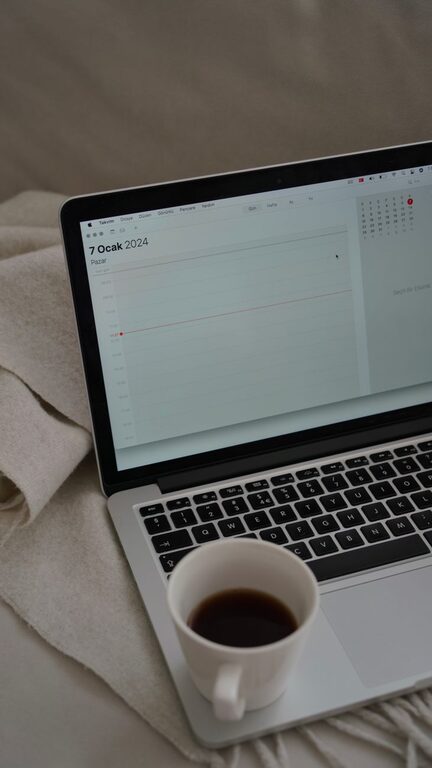
Having the right technology helps improve workflow. Ensure your internet connection is strong and reliable. Use devices that suit your tasks, such as a large monitor for graphic design or a quality microphone for online meetings.
Keep tech organized with chargers, docking stations, and cable clips. Avoid letting wires tangle by planning your setup before plugging everything in.
Create Zones for Different Activities
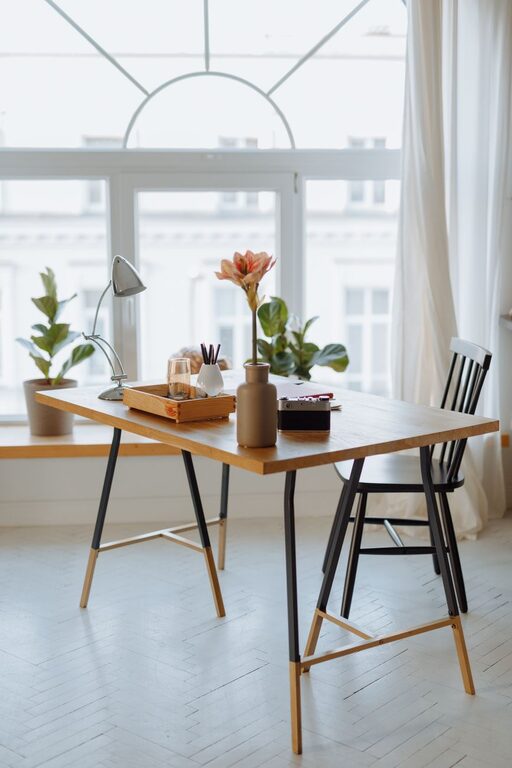
If space allows, divide your office into zones for different functions. For example, have a primary desk area for computer work, a small table for writing or brainstorming, and a comfortable chair for reading or taking breaks.
Changing your physical position throughout the day can improve comfort and productivity.
Maintain Good Air Quality and Comfort
Keep your home office well-ventilated by opening windows or using an air purifier, especially if the room is small or enclosed. The right temperature setting—usually between 68°F and 75°F—can keep you comfortable.
Adding a small fan or space heater allows you to control the climate to your preference.
Establish Daily Routines and Boundaries
Finally, make your home office truly functional by creating routines. Start and finish work at set times to separate your professional and personal life. Inform family members or roommates about your schedule to minimize interruptions.
Having a dedicated space already helps mentally switch into work mode, but reinforcing this with habits boosts focus and work-life balance.
—
Creating a cozy and functional home office doesn’t require a major renovation. By focusing on comfort, organization, and personalization, you can design a space that supports your best work while feeling like a pleasant place to spend your day. Whether you’re working full time, freelancing, or managing personal projects, these tips will help you build an effective and inviting workspace right at home.
About the Author