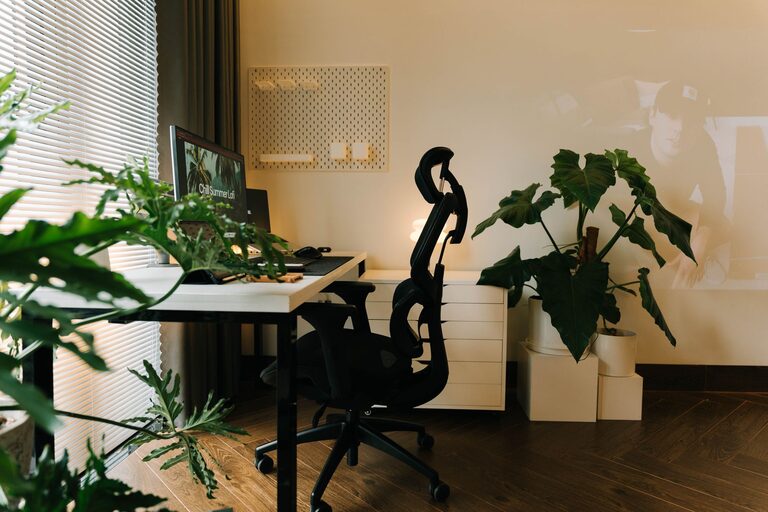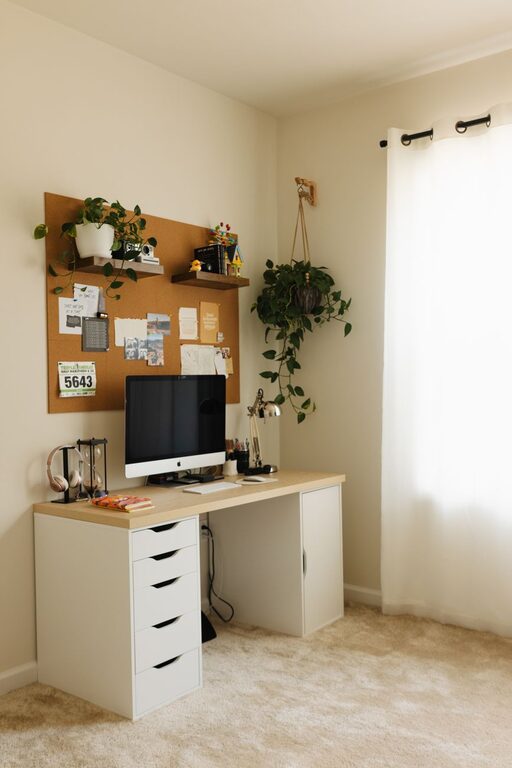
Creating a home office that feels both cozy and productive can transform your work-from-home experience. Whether you spend a few hours or a full workday in your home workspace, having an environment that encourages focus and comfort is essential. In this post, we’ll explore practical tips for designing a home office that supports your productivity while making you feel relaxed and motivated.
Why a Cozy and Productive Space Matters
Working from home offers flexibility, but it also presents challenges like distractions and discomfort. A well-crafted home office can help you:
– Improve concentration and reduce stress
– Establish a clear boundary between work and home life
– Boost creativity and motivation
– Maintain better posture and physical health
With these benefits in mind, let’s dive into how you can create your ideal working environment.
Choosing the Right Location
1. Select a Quiet Spot
Pick a space away from high-traffic areas in your home. This could be a spare room, a corner of your bedroom, or even a dedicated nook in the living room. Quietness promotes focus and minimizes interruptions.
2. Consider Natural Light
Position your desk near a window if possible. Natural light improves mood and energy levels. If natural light is limited, use daylight-mimicking bulbs to brighten your area.
Furnishing Your Workspace
1. Invest in a Comfortable Chair
Since you’ll be sitting for hours, choose an ergonomic chair that supports your back and encourages good posture. Comfort reduces fatigue and long-term discomfort.
2. Get a Functional Desk
Select a desk that fits your space and needs. Consider the surface area you require for your computer, papers, and other essentials. Adjustable desks that allow standing options can also enhance comfort.
3. Organize with Storage Solutions
Clutter can interfere with productivity. Use shelves, drawers, or bins to keep your supplies tidy and within reach. Labels help quickly locate items and maintain order.
Personalizing Your Space
1. Add Warm Textiles
Throw blankets, cushions, or a small rug add warmth and texture, making your office feel inviting without distraction.
2. Incorporate Plants
Indoor plants improve air quality and add a refreshing touch to the room. Choose low-maintenance plants like succulents or spider plants if you don’t have a green thumb.
3. Use Calming Colors
Soft, neutral tones such as light blues, greens, or warm grays create a soothing atmosphere that helps reduce stress. Avoid overly bright or distracting hues.
Enhancing Productivity
1. Set Up Proper Lighting
Your lighting should reduce eye strain. A combination of ambient light and task lighting (such as a desk lamp) works best, especially during evening hours.
2. Minimize Distractions
Keep personal items, phones, or other distractions out of view. Consider noise-cancelling headphones if you live in a noisy area.
3. Establish a Routine
Train your brain to associate your workspace with work. Set regular working hours, take breaks, and keep work confined to this area.
Technology and Connectivity
1. Upgrade Your Equipment
Reliable internet, a good-quality webcam, and a comfortable keyboard and mouse improve your work efficiency and make video calls easier.
2. Cable Management
Tidy cables and wires with clips or sleeves to maintain a clean and safe desk environment.
Maintaining Your Home Office
1. Regular Cleaning
Dust and clean your desk and equipment weekly to keep your space fresh and inviting.
2. Refresh Your Setup Periodically
Rearrange or update your workspace occasionally to keep it interesting and aligned with your changing needs.
—
Creating a cozy and productive home office doesn’t require a huge budget or a large room. By focusing on comfort, organization, and personal touches, you can build a space that supports your work and well-being. Start small, experiment with different setups, and make your home office a place you enjoy spending time in.
About the Author