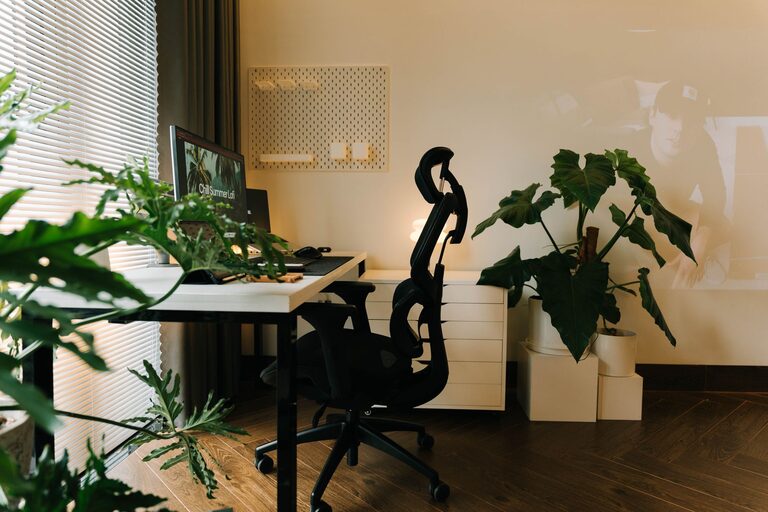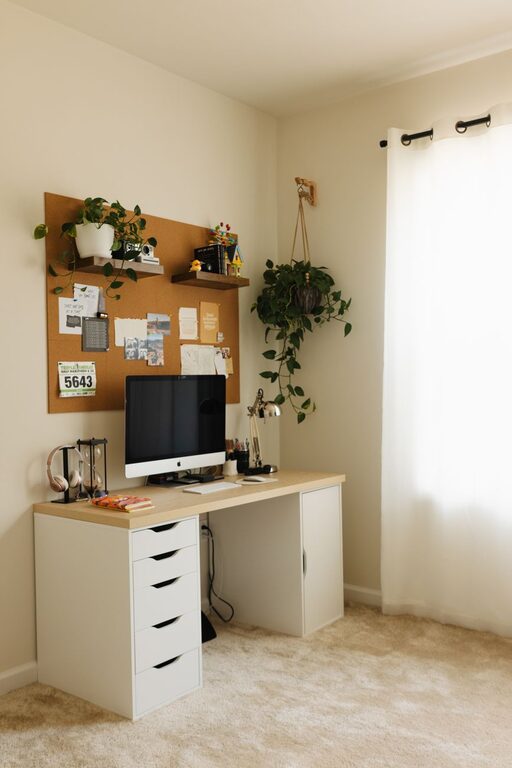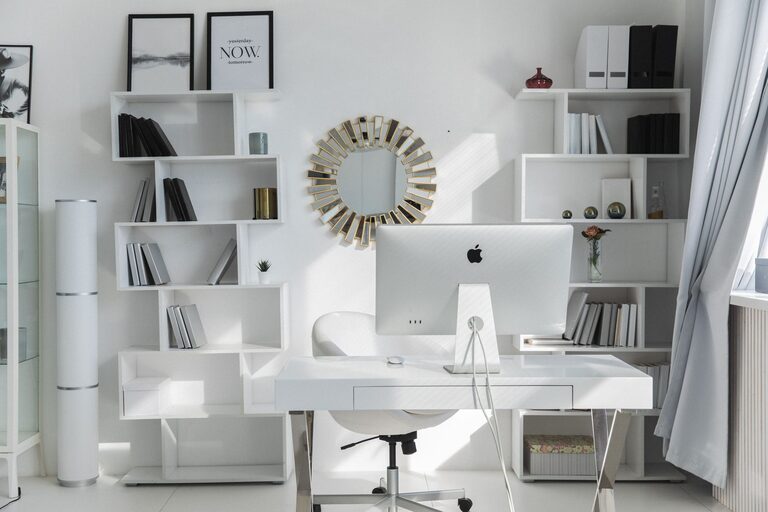

Working from home has become a common part of everyday life for many people. Whether you’re a full-time remote worker, a freelancer, or someone who occasionally works from home, having a productive home office environment can make a big difference in your work performance and overall well-being. Setting up a space that encourages focus and comfort helps separate work time from personal time and improves efficiency.
In this post, we’ll explore practical tips for creating a home office that supports productivity, while keeping things comfortable and motivating.
Choose the Right Location for Your Home Office
The first step in creating a productive home office is selecting the proper space. Consider these factors when picking your office spot:
– Quiet and Private: Choose a room or area where you can focus without frequent interruptions or noise from other household activities.
– Natural Light: A spot near a window with plenty of natural light enhances mood and reduces eye strain.
– Adequate Space: Ensure there is enough room for your desk, chair, computer, and any additional equipment or storage you need.
If dedicated rooms are not available, try to carve out a corner with clear boundaries that mentally separates work from home life.
Invest in Comfortable and Functional Furniture
Comfort plays a major role in productivity. Uncomfortable chairs or desks can lead to distractions and physical discomfort.
Desk
– Choose a desk with enough surface area for your work essentials.
– Adjustable desks or standing desks offer flexibility to change positions throughout the day.
Chair
– Use a supportive, ergonomic chair designed for long periods of sitting.
– Adjust the chair height and backrest to maintain good posture.
Comfortable furniture reduces fatigue and helps maintain focus over long work sessions.
Organize Your Workspace Efficiently
Keeping your workspace organized is key to preventing distractions and saving time looking for items.
– Use drawer organizers, shelves, or bins to keep supplies neat.
– Keep only essential items on your desk to maintain a clutter-free zone.
– Have a dedicated place for documents, whether digital folders or physical files.
– Consider cable management solutions to keep wires tidy.
An organized space can improve clarity and help you focus on tasks.
Optimize Lighting for Better Focus
Good lighting reduces eye strain and boosts energy levels.
– Position your desk to take advantage of natural daylight.
– Add task lighting such as desk lamps with adjustable brightness for focused work.
– Avoid harsh overhead lights or glare on screens, which can cause discomfort.
Balanced lighting creates a pleasant ambiance conducive to concentration.
Minimize Distractions
Distractions can quickly derail productivity, so take steps to reduce interruptions.
– Inform household members of your work schedule to limit disturbances.
– Use noise-cancelling headphones or play background music if it helps your focus.
– Disable unnecessary notifications on your computer and phone during work hours.
Creating boundaries helps maintain a professional mindset and deep focus.
Personalize Your Workspace Mindfully
Adding personal touches can make your workspace inviting and boost motivation.
– Display inspiring artwork or motivational quotes.
– Incorporate plants to improve air quality and create a calming atmosphere.
– Choose colors that make you feel energized but not overwhelmed.
Aim for a balance between personalized decor and a tidy, distraction-free environment.
Establish a Routine and Clear Boundaries
Your physical workspace matters, but so does how you use it.
– Set consistent work hours to separate professional time from personal.
– Take regular breaks to stretch and rest your eyes.
– End your workday by tidying your workspace, signaling a mental transition.
Creating routines enhances productivity and supports work-life balance.
Use Technology Wisely
Leverage tools and gadgets to streamline your work processes.
– Use a reliable internet connection to avoid interruptions.
– Set up dual monitors if your work involves multitasking.
– Utilize productivity apps for task management and calendar scheduling.
Technology should simplify your workflow without becoming a source of distraction.
Maintain Good Air Quality and Comfort
Physical comfort affects your ability to concentrate.
– Keep your home office well-ventilated with fresh air.
– Use a fan or heater as needed to maintain a comfortable temperature.
– Stay hydrated and have water accessible nearby.
A comfortable environment supports sustained focus.
—
Creating a productive home office environment takes some effort, but the results are well worth it. By choosing the right location, investing in comfortable furniture, organizing your space, and minimizing distractions, you’ll set yourself up for success in your remote work. Remember to personalize your office and establish routines that keep your work and personal life balanced.
With these tips, your home office can become a space where you feel motivated, comfortable, and productive every day.
About the Author