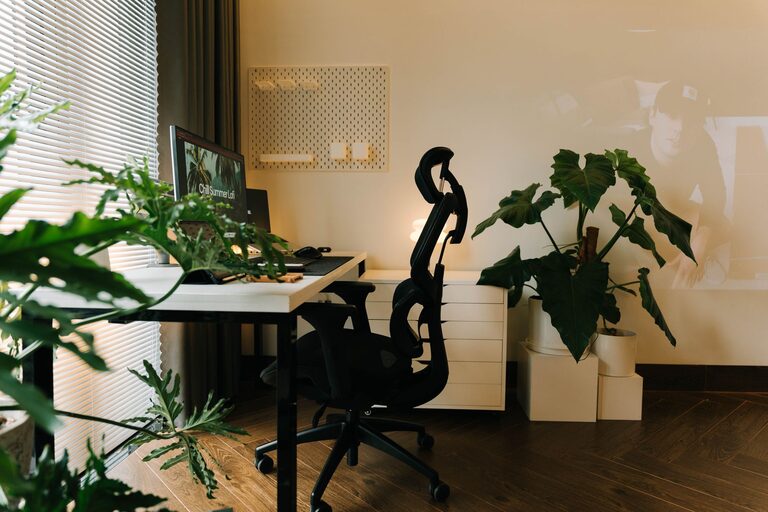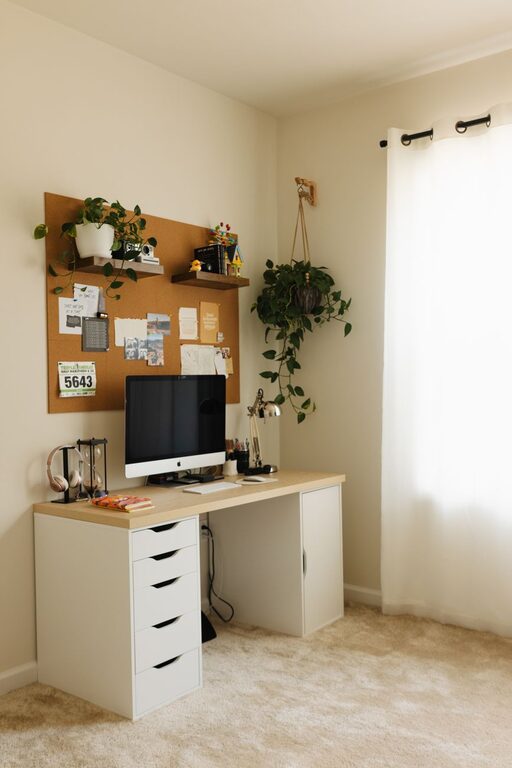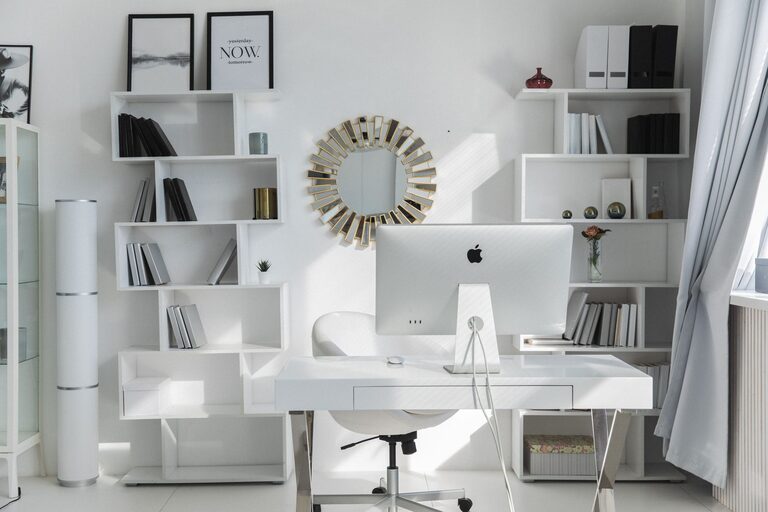
Creating a relaxing home office environment is essential for maintaining focus, reducing stress, and boosting overall productivity. Whether you work from home full-time or occasionally, designing a space that feels calm and inviting can make a big difference in your well-being and work quality. In this post, we’ll share practical tips to help you create a home office that promotes relaxation and efficiency.
Why a Relaxing Home Office Matters
Working from home comes with its challenges, especially when the boundary between work and personal life blurs. A cluttered or uncomfortable office can increase stress and decrease motivation. Conversely, a thoughtfully designed space tailored to your needs can help you stay calm, focused, and energized throughout the day.
Choosing the Right Location
Consider Natural Light
Location matters when setting up your home office. If possible, choose a room or corner with plenty of natural light. Sunlight helps regulate your body clock and can improve mood and alertness. Position your desk near a window, but avoid glare on your computer screen.
Minimize Distractions
Select a quiet area of your home where you can work without frequent interruptions. If true isolation isn’t possible, noise-canceling headphones or white noise machines can help create a peaceful atmosphere.
Comfortable and Functional Furniture
Invest in a Good Chair
A comfortable, ergonomically designed chair is key to avoiding back pain and fatigue. Look for adjustable features that support good posture, including lumbar support and seat height adjustments.
Choose an Appropriate Desk
Your desk should fit your equipment and allow you to work comfortably. Whether a traditional desk, standing desk, or adjustable sit-stand workstation, prioritize ease of use and enough space for your essentials.
Keep It Organized
Declutter Regularly
A clutter-free workspace can reduce mental distractions and promote relaxation. Take a few minutes each day to tidy your desk and put away unnecessary items.
Use Storage Solutions
Incorporate shelves, drawers, and organizers to keep paperwork, supplies, and devices neatly stored. Clear containers or labeled bins help you quickly find what you need.
Add Elements That Promote Calm
Incorporate Plants
Indoor plants not only improve air quality but also bring a sense of tranquility and connection to nature. Choose low-maintenance plants like succulents or pothos that thrive indoors.
Choose Soothing Colors
Colors affect mood—soft, neutral tones like pale blues, greens, or earthy hues are known to create a calming atmosphere. Avoid overly bright or harsh colors that may increase stress.
Personalize Your Space
Add personal touches such as artwork, photos, or meaningful decor that make you feel comfortable and inspired. Just be careful not to overcrowd the space.
Optimize Lighting
Use Layered Lighting
In addition to natural light, incorporate various lighting sources such as desk lamps, floor lamps, and overhead lights. Adjustable lighting allows you to control brightness based on the time of day and task.
Avoid Harsh Lighting
Bright, fluorescent lights can cause eye strain and fatigue. Opt for bulbs that emit a soft, warm light to create a cozy ambiance.
Maintain a Comfortable Temperature
The ideal temperature for productivity is typically around 68-72°F (20-22°C). Use fans, space heaters, or adjust your thermostat to keep your workspace comfortable throughout the year.
Manage Technology Smartly
Keep Cords Tidy
Unruly cables can add to a cluttered feeling and cause frustration. Use cable organizers, clips, or covers to keep wires neat and out of sight.
Limit Notifications
To avoid distractions, customize your device settings to reduce unnecessary alerts during work hours. Use “Do Not Disturb” modes when focusing on important tasks.
Create Clear Boundaries Between Work and Life
Define Work Hours
Set a daily schedule and stick to it as much as possible. Having clear start and end times reduces burnout and helps maintain work-life balance.
Establish a Ritual
Start and end your day with specific routines, such as a morning stretch or a brief walk. These rituals signal your brain when it’s time to focus or relax.
Incorporate Relaxation Breaks
Every hour or two, step away from your desk to stretch, hydrate, or practice deep breathing. Short breaks improve circulation, reduce muscle tension, and refresh your mind.
Final Thoughts
A relaxing home office environment is not just about aesthetics – it’s about creating a space that supports your physical comfort and mental well-being. By carefully choosing your location, furniture, organization methods, and décor, you can build a workspace that helps you stay calm, focused, and productive. Start small, implement these tips gradually, and personalize your office to suit your unique needs. Your workday will thank you!
About the Author